Creator Economy

Kokoda: Fiji's Answer to Ceviche
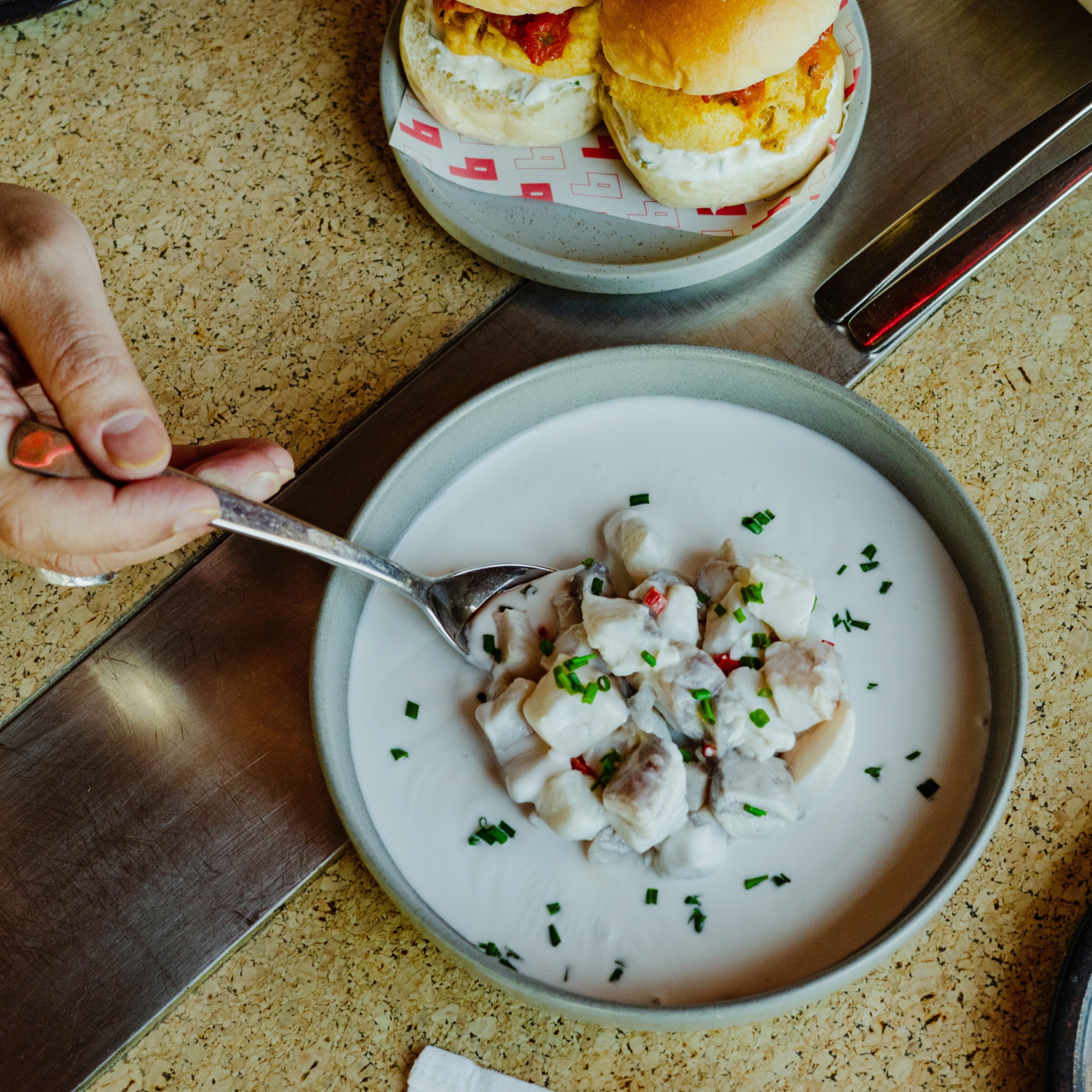

Kokoda has its own identity, its own flavor logic, and its own cultural weight. Once you understand it, you'll stop thinking of it as a variation on something else.
Arrnott Olssen
Recipes & Technique Kokoda: Fiji's Answer to Ceviche
Raw fish, citrus, and coconut cream — and why you need to try it
If you've spent any time in Fiji, you've probably encountered kokoda. If you haven't been to Fiji, you might not have heard of it at all — which is a genuine gap in Australian food knowledge, because kokoda is one of the most satisfying, fresh, and technically interesting dishes in the Pacific.
It's often described as Fiji's ceviche. That's a useful comparison, but it undersells it. Kokoda has its own identity, its own flavor logic, and its own cultural weight. Once you understand it, you'll stop thinking of it as a variation on something else.
What kokoda actually is
Kokoda is raw fish — traditionally walu (Spanish mackerel), mahi-mahi, or a firm white reef fish — cured in fresh citrus juice, typically a combination of lemon and lime. The acid denatures the proteins in the fish, transforming the texture from raw and slippery to something firmer, more opaque, with a clean, cooked-feeling bite. The curing takes anywhere from 20 minutes to a few hours, depending on the fish and how firm you want it.
Then comes the kokoda distinction: coconut cream. Not a drizzle. Enough to coat every piece generously, to soften the sharp acidity of the citrus and bring a richness that ceviche doesn't have. The coconut cream turns the whole dish silky, rounds out the flavour, and gives it that unmistakably Pacific character.
From there: fresh chili (bird's eye, most commonly), finely diced onion or shallots, sometimes cucumber for crunch, sometimes tomato, sometimes coriander. These vary by cook, by household, by occasion. The constants are the fish, the citrus, and the coconut cream.
"A proper Fijian Sunday lunch has a rhythm to it — kokoda is a frequent presence at events and celebrations. It's a crowd anchor and a dish most guests have at least heard of."
Kokoda vs. ceviche: the actual differences
Ceviche — in its Peruvian or Mexican form — is sharper. The acidity is the point. The leche de tigre, the tiger's milk left behind after the fish cures, is prized as a drink on its own. The texture is firmer, more defined. The heat from aji amarillo or jalapeño is central to the flavour profile.
Kokoda is rounder. The coconut cream moderates the acidity and adds body. The heat is there, but it's background rather than foreground. The result is something that feels more complete in a single bowl — less of a bright, sharp jolt and more of a sustained, layered experience.
Both are brilliant. They're just doing different things.
There's also a cultural difference worth naming: ceviche has had its moment in the global food conversation. Kokoda hasn't — yet. Which means that if you make it at home, you're ahead of the curve. You're cooking something that's genuinely unfamiliar to most Australian palates, and genuinely worth knowing.
How to make kokoda at home
Here's how I make it. This is the version I've served at Kana Club events — clean, generous, and built to show the dish at its best.
Ingredients
500g very fresh firm white fish (walu, mahi-mahi, or Spanish mackerel — sashimi-grade if possible)
Juice of 4–5 limes (approximately 120ml)
Juice of 2 lemons
200ml full-fat coconut cream — not light, not coconut milk
1–2 bird's eye chillies, finely sliced (adjust to heat preference)
½ red onion or 4 shallots, very finely diced
½ cucumber, seeds removed, finely diced
Small handful of coriander, roughly chopped
Sea salt to taste
Method
Cut the fish into rough 2cm cubes — not too small, you want substance in each piece.
Combine the lime and lemon juice in a non-reactive bowl (glass or ceramic, not metal). Add the fish and toss to coat completely. The fish should be fully submerged in citrus.
Cover and refrigerate for 20–30 minutes for a softer, more translucent cure. Up to 1 hour for a firmer, fully opaque texture. Don't go much beyond an hour — the fish will tighten and lose its freshness.
While the fish cures, prep your aromatics: dice the onion, slice the chilli, dice the cucumber.
Once the fish has cured, drain off most — but not all — of the citrus. A tablespoon or two of the liquid left behind adds brightness to the final dish.
Add the coconut cream and toss gently. The cream should coat every piece generously.
Fold in the onion, chilli, cucumber, and coriander. Taste for salt — it will need it.
Serve immediately in a bowl, with fresh bread to soak up the coconut cream, or alongside a simple green salad. Or eat it the Fijian way: out of the bowl with a spoon, right at the table.
A few notes on getting it right
The fish is everything. Kokoda is not the dish for fish that isn't at peak freshness. Go to a fishmonger you trust, tell them what you're making, and ask for the freshest option. Sashimi-grade is ideal. If the fish smells of anything other than the sea, it's not the day for kokoda.
The coconut cream matters. Use full-fat, use a brand you like the flavour of, and don't skimp on the quantity. Kokoda that's light on coconut cream is kokoda that's missing the point.
The curing time is a preference, not a rule. I prefer 20–25 minutes — I like the fish to still have some of that fresh, translucent quality in the centre. If you're new to raw fish preparations, 45 minutes to an hour will give you something more reassuringly opaque. Both are delicious.
Don't skip the salt. Citrus and coconut cream together can suppress saltiness. Taste the finished dish and season properly.
"Nama isn't something you can 'kind of' do — you need it fresh. That's the point: there are flavours in Fiji that don't travel well, and that's exactly why you have to go there to understand them."
That quote is about nama, but it applies to kokoda too — and to Fijian food more broadly. You can make a wonderful kokoda at home, and I want you to. But the version you make from a Sydney fishmonger is a door into something. The real experience is at a table in Fiji, with fish that was in the water this morning, with coconut cream made from a coconut that fell yesterday.
That's the version worth travelling for.
Kokoda is on the menu at Kana Club events in Sydney — and at the culminating dinner of The Kana Journey in Fiji. Made with fish sourced that morning, eaten by the water.
→ View The Kana Journey at qurocollective.com